For many older adults exploring a Continuing Care Retirement Community (CCRC) like Someren Glen in Centennial, Colorado, one of the most common questions is: What happens if my needs change in the future? Specifically, how does transitioning to skilled nursing from independent living or assisted living actually work?
Planning ahead can bring tremendous peace of mind. Understanding what skilled nursing is, when it may be needed, and what life looks like in that setting helps remove uncertainty and empowers you to make confident, informed decisions about your future.
What Is Skilled Nursing?
Skilled nursing is a level of care designed for individuals who require ongoing medical support and assistance with daily living. Unlike independent living or assisted living, skilled nursing provides 24/7 licensed nursing care along with access to rehabilitation services such as physical, occupational, and speech therapy.
This level of care is often recommended following hospitalization, surgery, or a significant health event. It may also be appropriate for individuals managing chronic conditions that require consistent monitoring and clinical support.

When Might I Need to Transition to Skilled Nursing?
A transition to skilled nursing is typically based on medical need rather than age alone. You or a loved one may benefit from skilled nursing care if:
- Recovery after surgery requires daily therapy and medical oversight
- A chronic condition becomes more complex to manage at home
- There is a need for assistance 24 hours each day
- Daily injections or wound treatment are needed
In many cases, the transition is temporary, especially when skilled nursing is used for short-term rehabilitation. In other situations, it may become a longer-term solution to ensure comfort, safety, and quality of life. Learn more about what qualifies a resident for skilled nursing care.
Will I Need to Leave My Current Senior Living Community If I Need Skilled Nursing?
One of the most significant advantages of choosing a CCRC is the ability to access higher levels of care without leaving the place you call home.
Benefits of Choosing a CCRC with a Full Continuum of Care
CCRCs like Someren Glen are designed to support residents through various stages of aging. This means:
- Continuity of care: You can remain in a familiar environment with people you know
- Established relationships: Care teams often already know your preferences and history
- Reduced stress: No need to search for a new community during a health event
- Peace of mind: A plan is already in place for future needs
This proactive approach helps reduce the uncertainty that often comes with unexpected health changes.
Benefits of Short-Term Rehab Being Available at Your Community
Short-term rehabilitation or rehab, as it’s commonly called, is a temporary level of care designed to help individuals recover after a surgery, illness, or hospital stay. Services provided include physical, occupational, and/or speech therapy, along with clinical support to help older adults regain strength, mobility, and independence so they can safely return to their home or prior level of living.
For older adults already living in a senior living community, having rehab services on-site allows for a smoother recovery process. Residents benefit from:
- Coordinated care between medical and therapy teams
- A familiar setting that supports emotional well-being
- The ability to return to your residence more quickly once goals are met
What Is Daily Life Like in a Skilled Nursing Community?
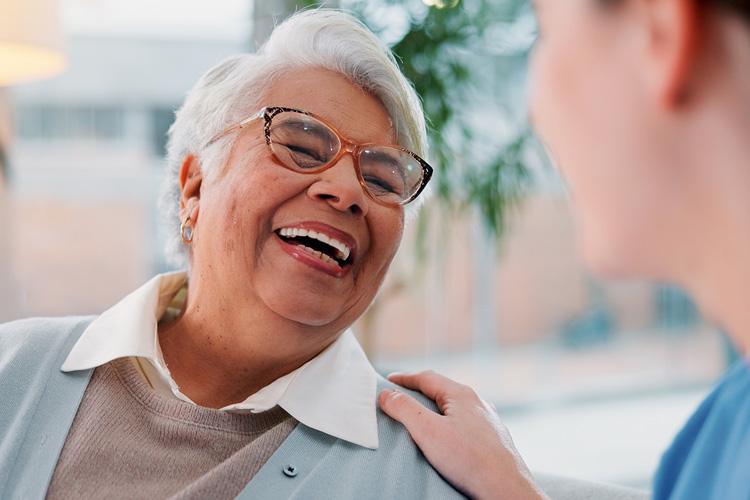
A common misconception is that all skilled nursing communities feel clinical or institutional. Many of today’s communities are intentionally designed to be welcoming, engaging, and personalized.
How a Community’s Philosophy and Culture Impact Residents Living in Skilled Nursing
Not all skilled nursing environments are the same. The philosophy and culture of a community can significantly shape the resident experience.
At Someren Glen, care is guided by Christian Living Communities Citizenship Model® of Community Living—a philosophy that emphasizes the gifts, talents, and contributions of every member of the community, from residents and families to team members and volunteers. This approach is further influenced by principles of The Eden Alternative®, which is centered on:
- Creating a home-like, non-institutional environment
- Fostering meaningful relationships
- Encouraging autonomy and personal choice
- Reducing loneliness, helplessness, and boredom
Rather than focusing solely on clinical care, this model prioritizes whole-person wellness, helping residents continue to live with dignity, purpose, and connection.
Tips for Settling in to Your New Neighborhood
When transitioning to a skilled nursing neighborhood, residents are often supported through the move with a thoughtful welcome, helping you feel more comfortable and confident from day one.
- Make your apartment your own. Many skilled nursing settings offer private or semi-private suites that feel more like home than a hospital, honoring one’s dignity and independence. Decorating your new home with familiar items and photos can provide a sense of comfort.
- Take part in community activities. Daily activities, social events, wellness programs, and opportunities for engagement continue to play an important role—supporting not just physical health, but also social and emotional well-being. Exploring your neighborhood’s event calendar can help you get acquainted with new neighbors, enjoy favorite activities, and experience new ones.
- Meet the care team. Getting to know the team members who work in the community can help you feel a sense of belonging and connectedness. Licensed nurses and care partners are available 24/7 to address medical needs promptly and compassionately, and support you in this transition.
- Encourage friends and family to visit. Loved ones are encouraged to visit and remain actively involved, helping maintain important relationships and emotional connections.
What Is the Future of Skilled Nursing Care?
The future of skilled nursing is evolving rapidly to meet the needs of an aging population. According to the U.S. Census Bureau, by 2035, adults age 65 and older are projected to outnumber children under 18 for the first time in U.S. history. This demographic shift is driving increased demand for senior care services, including skilled nursing.
At the same time, industry trends are reshaping how care is delivered:
- More personalized, resident-centered care models
- Advancements in rehabilitation therapies and technology
- Integration of wellness and lifestyle programming into clinical settings
- Growth of Life Plan Communities offering full continuums of care
Additionally, many communities are moving away from institutional designs toward smaller, neighborhood-style settings that enhance comfort and quality of life.
For those planning ahead, this means more options, more flexibility, and more thoughtful approaches to care than ever before.

A Plan for Today—and Peace of Mind for Tomorrow
Transitioning to skilled nursing may not be something you need today, but understanding how it works can make all the difference in how you plan for the future.
By choosing a community that offers a full continuum of care, you’re not just selecting a place to live, you’re creating a plan that supports your health, independence, and quality of life at every stage.
Contact us today to learn more about the continuum of care and lifestyle that awaits you at Someren Glen.